Panduan
Complete Guide to EV Ownership in America 2026
From choosing an EV and charging (NACS/CCS) to maintenance and battery care—everything new and current US EV owners need to know, in one concise read.
Overview
Electric vehicles in the US have reached a turning point. Prices are lower, the federal tax credit has changed, and charging plugs are unifying under NACS. This guide helps first-time buyers, current owners, and anyone looking to avoid common EV pitfalls.
1. Choosing the Right EV
Match the vehicle to your daily driving needs. For under 50 miles per day, an affordable EV sedan or crossover works well. Look for models with wide service networks and strong battery warranties. Popular 2026 options include the Tesla Model Y, Hyundai Ioniq 5, Chevrolet Equinox EV, and Kia EV9. Take a test drive and check real-world range reviews before deciding.
2. Charging: Home, Public, and DC Fast Charging
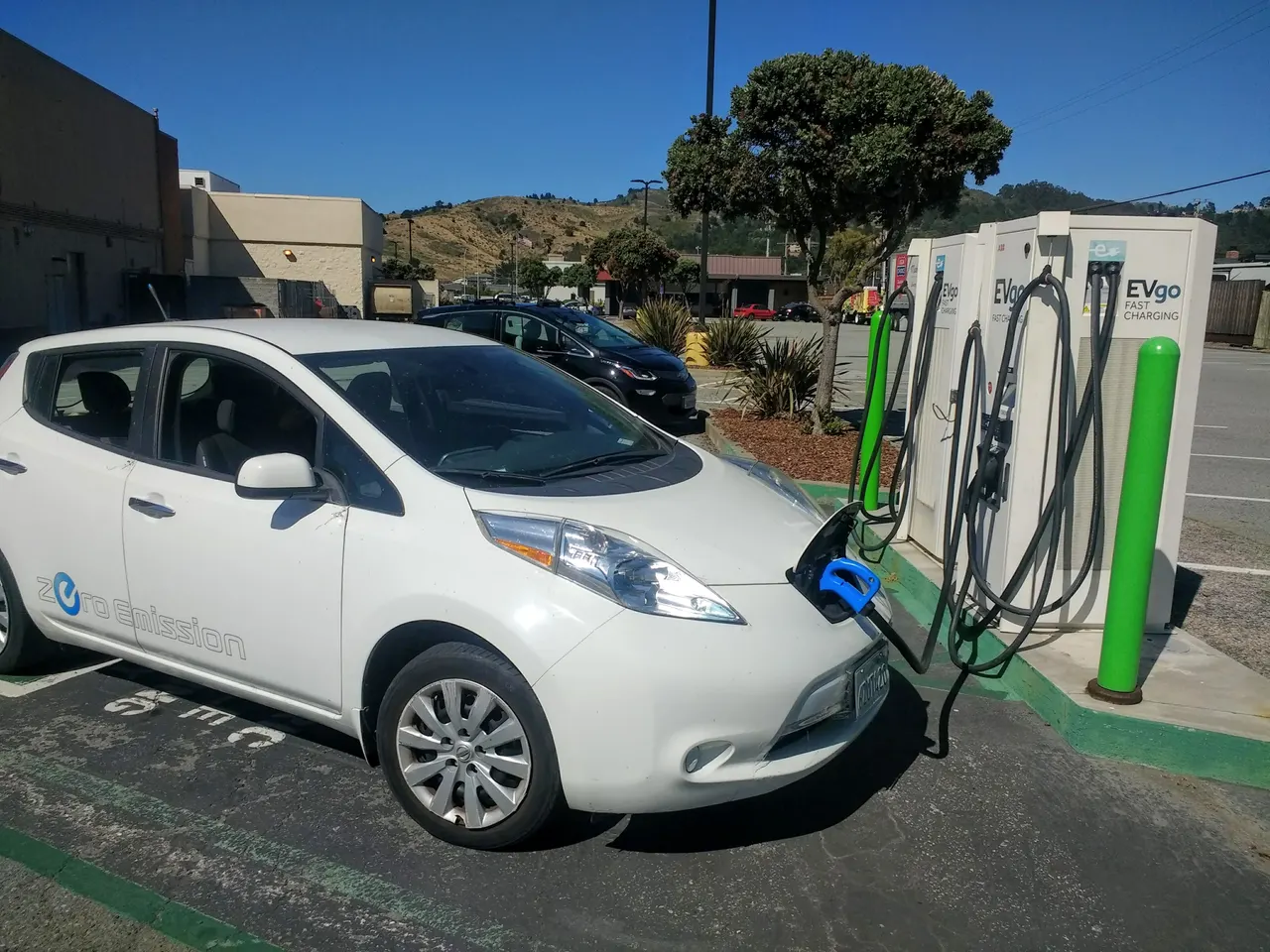
Home Level 2 charging is the cheapest and most convenient for daily use. Public networks like Electrify America, EVgo, and ChargePoint serve longer trips. Tesla Superchargers are now open to many non-Tesla EVs via NACS. DC fast charging is best for road trips—it costs more per kWh but adds range quickly. Plan stops at 10–80% state of charge for the best speed and value.
3. Battery Care for Long Life
Keep daily charging between 20% and 80%. Avoid letting the battery sit at 0% or 100% for long periods. Park in shade or garage during extreme heat or cold. Use battery preconditioning before fast charging in winter or summer. Follow the manufacturer's service schedule to keep your battery warranty valid.
4. Tips & Tricks for New and Current Owners
- Use PlugShare or A Better Route Planner to find reliable chargers before you leave.
- Enable regenerative braking to extend range and reduce brake wear.
- Charge at home during off-peak hours if your utility offers time-of-use rates.
- Move your car promptly after charging—don't occupy a fast charger spot longer than needed.
- Carry a NACS↔CCS adapter if your car and station use different plugs.
5. Preventing Common Problems
Don't let the battery drain completely for extended periods. Check tire pressure regularly—EVs are heavier and tires wear faster. Inspect the charging port seal to keep moisture out. If storing the vehicle for weeks, keep it around 50% charge in a dry, ventilated space.
Benefits for Every Reader
Not an EV owner yet? This guide helps you decide if an EV fits your lifestyle and budget. Already own one? Maintenance and charging tips keep it running smoothly. Prevention? Early habits protect battery health and avoid costly repairs later.
Conclusion
EV ownership in America is simpler than ever in 2026, with one plug standard, more affordable models, and a growing charging network. With the right preparation, an EV can be a practical and economical daily driver.
Information summarized from official manufacturer sites, the U.S. Department of Energy, EPA, and major charging networks. Always verify current incentives and eligibility before purchase.
Sumber
Angka dan fakta di artikel ini dikutip dari halaman berikut. Membuka tautannya adalah cara tercepat memeriksa apakah datanya masih berlaku.