Tips
DIY EV Maintenance in America 2026: 10 Checks You Can Do Yourself
EVs need less service, not none. Here are ten checks you can safely do at home, the jobs to leave to a dealer, and what the tools cost.
The short version
An electric car has no engine oil, no spark plugs, and no exhaust. That removes a lot of routine service — but it does not remove maintenance. Tires, brakes, cabin air, coolant, and the 12-volt battery still wear out, and skipping them is how a low-maintenance car becomes an expensive one.
The ten checks below need no lift and no high-voltage training. Everything else should go to a dealer or a qualified EV technician.
1. Tire pressure, once a month
Check the placard on the driver's door jamb, not the number molded into the tire. Pressure drops about 1 psi per 10°F of temperature change, so a cold snap in November can quietly cost you range. Low pressure also wears the shoulders of the tire and increases rolling resistance — the two things EV owners care most about.
2. Tread depth
The U.S. legal minimum is 2/32 inch, but wet braking degrades well before that. Replace at 4/32 inch. Use a $5 tread gauge, or the penny test in a pinch. EVs are heavier and have instant torque, so tires typically wear faster than on a comparable gas car.
3. Tire rotation every 6,000–8,000 miles
Front and rear tires wear differently. Rotating them keeps all four on the same replacement schedule, which matters more on an EV because a full set can run $800–$1,400.
4. Cabin air filter, every 12,000–24,000 miles
A clogged filter reduces airflow, fogs the windows faster, and makes the HVAC work harder. On most EVs it sits behind the glovebox and takes ten minutes. The part costs $15–$35; a dealer may charge $80–$150 for the same job.
5. Wiper blades and washer fluid
Obvious, cheap, and easy to forget. Use winter-rated washer fluid in cold states — the summer blend freezes and can crack the reservoir.
6. Brake fluid, every three years
Regenerative braking means the friction brakes are used less, but brake fluid still absorbs moisture. Moisture lowers the boiling point and corrodes the calipers. Test strips cost about $15 and tell you when to flush. A flush typically runs $100–$180.
7. Brake caliper lubrication in the salt belt
In states that salt roads, calipers that rarely get used can seize. Have them inspected and lubricated every year or two. This is one of the most common avoidable EV repair bills in the Northeast and Midwest.
8. Coolant level
Most EVs use a low-conductivity coolant for the battery and motor loop. Check the level only when the system is cold, and never open the cap on a hot system. If the level keeps dropping, stop topping it off and find the leak.
9. 12-volt battery health
The small battery still powers computers, lights, and the contactors that connect the main pack. A resting voltage below about 12.4V means it is on its way out. Many EVs give warning signs — odd dashboard messages, a frunk that will not open, or a car that refuses to start — but a $20 multimeter check is more reliable than waiting.
10. Charging equipment inspection
Look at the connector pins for corrosion, darkening, or melted plastic. Check the cable for cuts and the wall unit for heat discoloration. Clean the connector with a dry cloth only. A hot plug or a burning smell means stop charging and call an electrician.
What not to DIY
- The high-voltage battery pack and orange cables. These carry 400–800 volts. There is no safe backyard procedure.
- The thermal management loop. Wrong coolant or trapped air can damage the pack.
- The onboard charger or DC fast-charge port internals.
- Suspension and steering work that requires recalibration on driver-assist systems.
A basic tool kit
- Tire pressure gauge and a portable inflator
- Tread depth gauge
- Torque wrench (for wheel nuts, if you rotate tires yourself)
- OBD-II Bluetooth adapter and a phone app
- Digital multimeter
- Nitrile gloves and safety glasses
Total cost is roughly $120–$200, and it pays for itself the first time you avoid a dealer visit for a cabin filter and a tire rotation.
The bottom line
EV ownership is cheaper to maintain, not maintenance-free. Ten minutes a month on tires and fluids prevents most of the bills that surprise new owners. For anything orange, high-voltage, or unfamiliar: pay the professional.
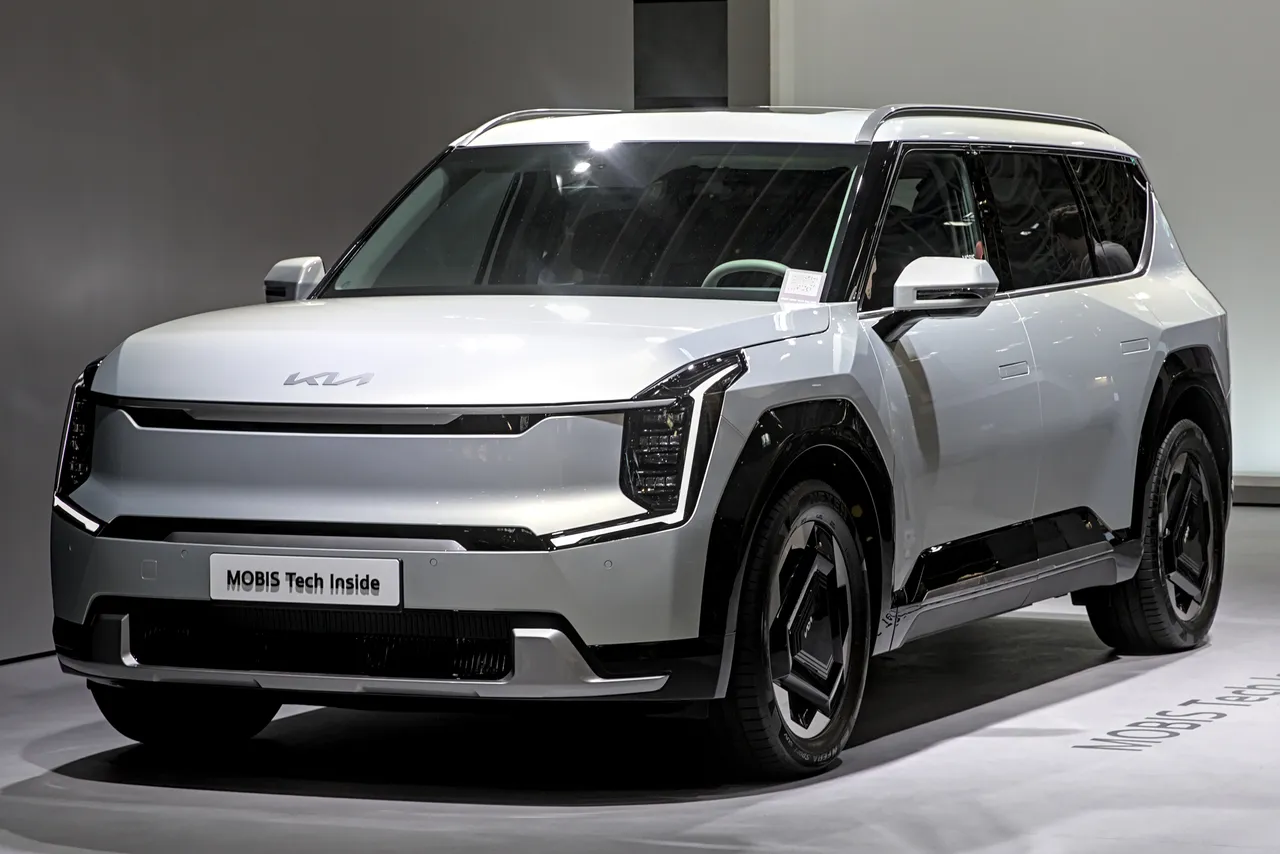
Photo: manufacturer documentation. Costs are typical U.S. ranges for 2026 and vary by region, vehicle, and shop labor rates.
Sources
The figures and facts in this article are quoted from the pages below. Opening the links is the fastest way to check whether the data still applies.