Perbandingan
Home Charging vs Public Charging: Total Cost Comparison for US EV Owners
A side-by-side cost analysis of charging at home versus public stations, including installation, electricity rates, and time.
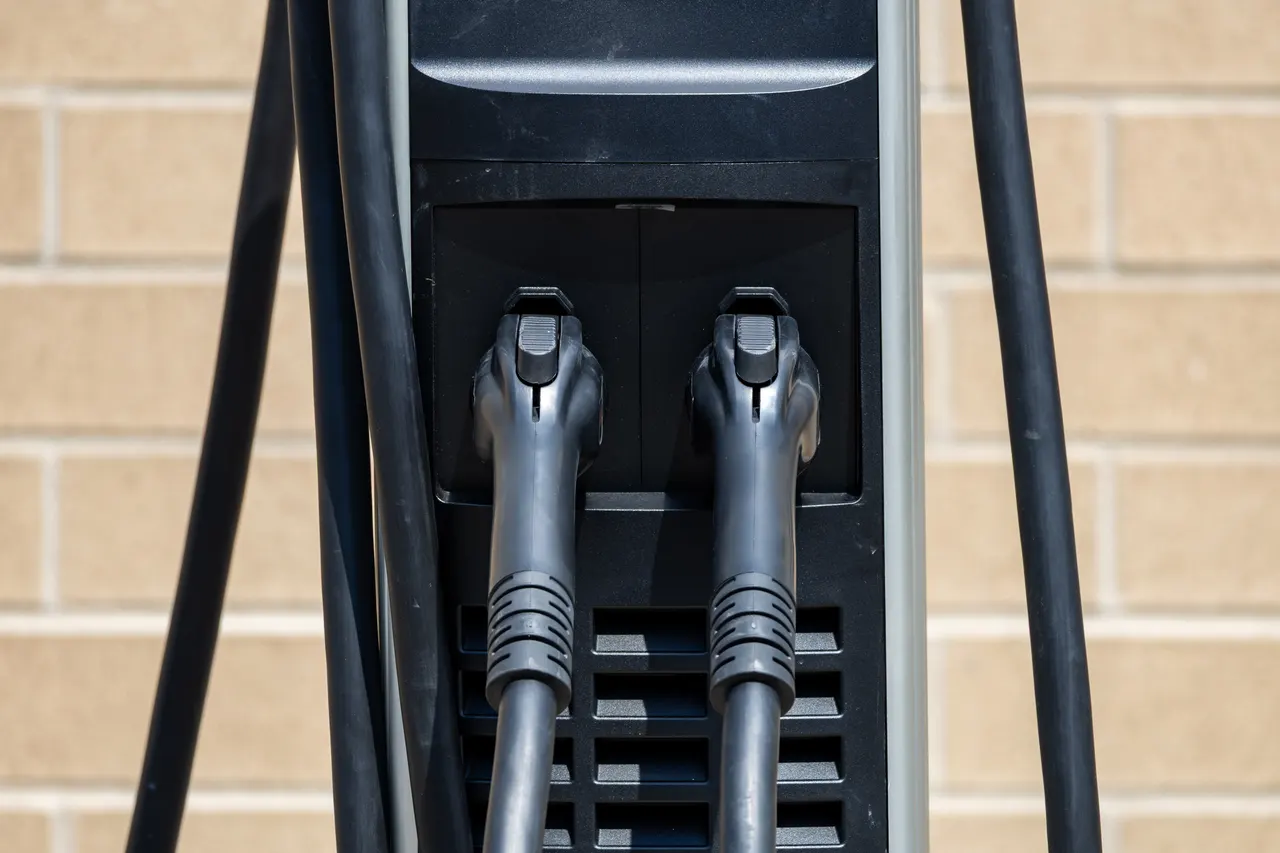
Summary
Where you charge has a big impact on total cost of ownership. This article compares home and public charging for US drivers.
Home Charging
Level 2 home charging requires a 240V outlet or wallbox. Installation costs vary, but electricity rates are usually lower than public networks. Over time, home charging is the cheapest option.
Public Charging
DC fast charging is convenient for road trips but costs more per kWh. Network pricing varies—some charge per kWh, others per minute.
Cost Comparison
- Home: lower per-kWh rate, higher upfront installation.
- Public: no installation, higher per-kWh cost, time-based pricing possible.
When to Choose Each
Use home charging for daily needs and public charging for long trips. Combining both optimizes cost and convenience.
Tips to Save
- Charge off-peak at home if your utility offers time-of-use rates.
- Use network memberships for discounts.
- Avoid charging to 100% unless needed.
Conclusion
Most US EV owners save significantly by charging at home. Public charging remains essential for travel and emergencies.
Sources
The figures and facts in this article are quoted from the pages below. Opening the links is the fastest way to check whether the data still applies.