Industri
2026 U.S. EV Market Reset: Rivian Takes #2 Spot, The Universal NACS Era, and Life After the Federal Tax Credit
How American buyers and automakers adapted to a post-tax-credit landscape with native NACS plugs, sub-$40k crossovers, and Rivian's rapid rise.
Last updated
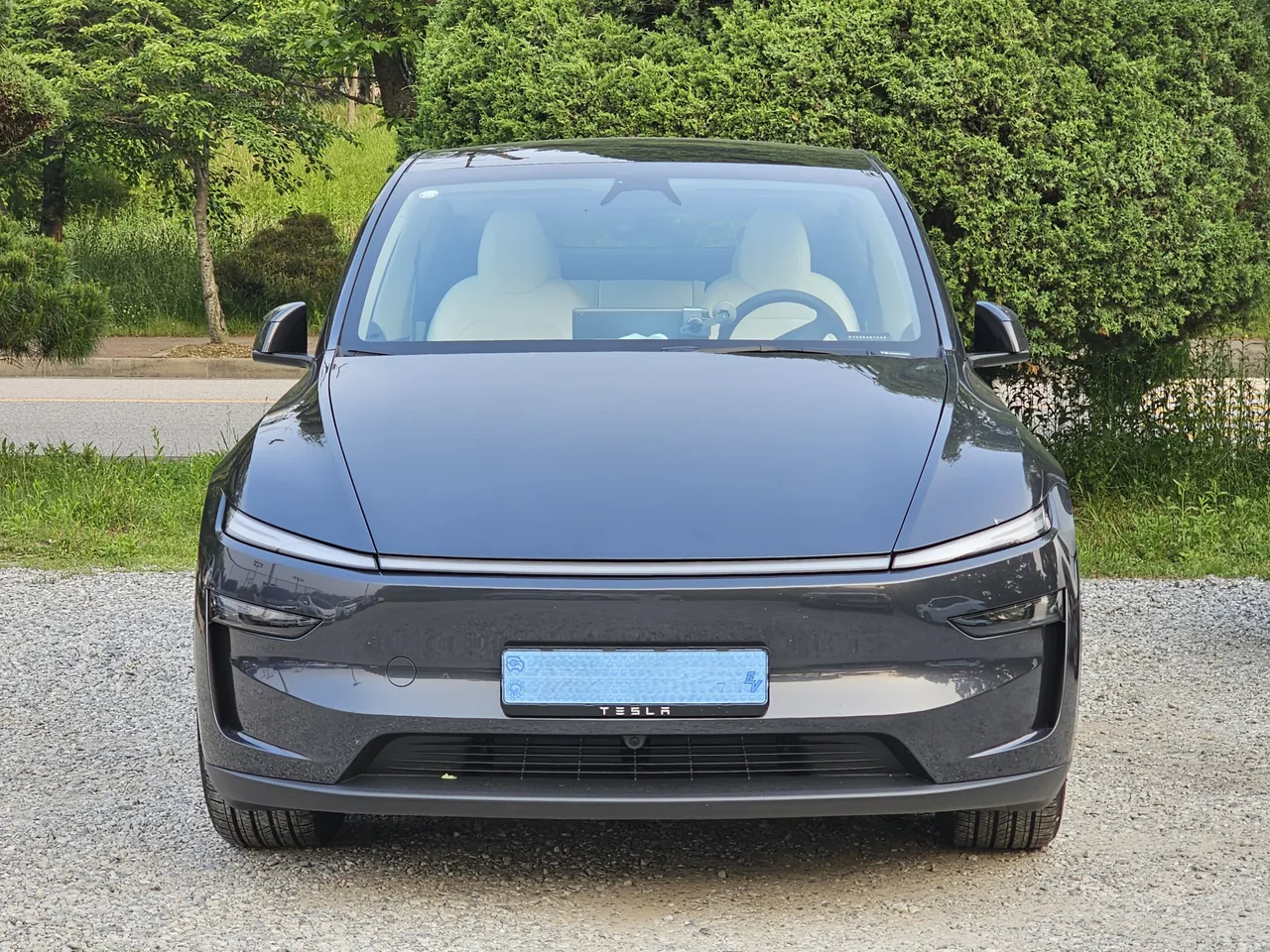
Entering the fourth quarter of 2026, the United States electric vehicle sector has completed its most consequential transition since the mass-market arrival of the Model 3. After the expiration of the federal $7,500 clean vehicle credit in late 2025, industry skeptics warned of a prolonged freeze. Instead, what emerged is a leaner, more competitive market driven by genuine price cuts, native NACS hardware consolidation, and a dramatic shift on the sales leaderboard.
1. Rivian Climbs to #2 in Brand Deliveries
While Tesla remains the dominant volume leader in the American EV landscape (capturing roughly 55% of all domestic BEV sales), the battle for second place saw a historic upset. Rivian has officially climbed to the #2 position among EV-only automakers in the U.S., outpacing legacy players' electric divisions:
- R1 Fleet Longevity: Continued demand for refreshed Dual-Motor and Tri-Motor R1T pickups and R1S SUVs anchored strong commercial numbers.
- R2 Production Ramp: Early assembly milestones for the mid-size Rivian R2 (starting around $45,000 with over 300 miles of range) spurred unprecedented pre-order fulfillment momentum.
- Software Excellence: Rivian's proprietary vertical software architecture and end-to-end trip planning have earned consumer trust previously reserved exclusively for Tesla.
2. NACS Becomes the True North American Standard
The era of adapter confusion is effectively over for new car buyers. In model year 2026, native SAE J3400 (NACS) inlet ports have replaced CCS1 on showroom floors across Ford, Hyundai, Kia, Rivian, and General Motors:
- Frictionless Plug-and-Charge: Drivers of vehicles like the refreshed Hyundai Ioniq 5, Chevrolet Equinox EV, and Ford Mustang Mach-E can simply plug into Tesla Superchargers without dongles or third-party card swipes.
- V4 Supercharger Deployments: Tesla's deployment of V4 Supercharger posts featuring longer cables and 800V-capable power cabinets has resolved cross-vehicle charge port placement challenges.
- Reliability Metric Gains: Public charging uptime scores recorded by industry monitors rose over 30% year-over-year as networks standardized hardware protocols.
3. The New Price Equilibrium Under $40,000
Without the federal tax credit cushion, automakers achieved volume by slashing MSRPs directly rather than relying on government rebates:
- Hyundai Ioniq 5: Base trims now start at $36,650, offering premium cabin appointments and 18-minute 10-80% fast-charging capability.
- Chevrolet Equinox EV: Starting at $34,995 with an EPA-estimated 319 miles of range, GM's Ultium crossover has become America's default entry-level family EV.
- Tesla Model Y & Model 3: Frequent pricing fine-tuning maintains Model Y as America's single best-selling electric crossover by a wide margin.
Summary for Buyers
The American EV market in late 2026 is simpler and more dependable than ever before. With universal charger access, honest upfront window sticker pricing, and expanding options in the $35,000–$45,000 sweet spot, buying an electric car in the U.S. is now a mainstream purchasing decision rather than an early adopter leap of faith.
Sources
The figures and facts in this article are quoted from the pages below. Opening the links is the fastest way to check whether the data still applies.